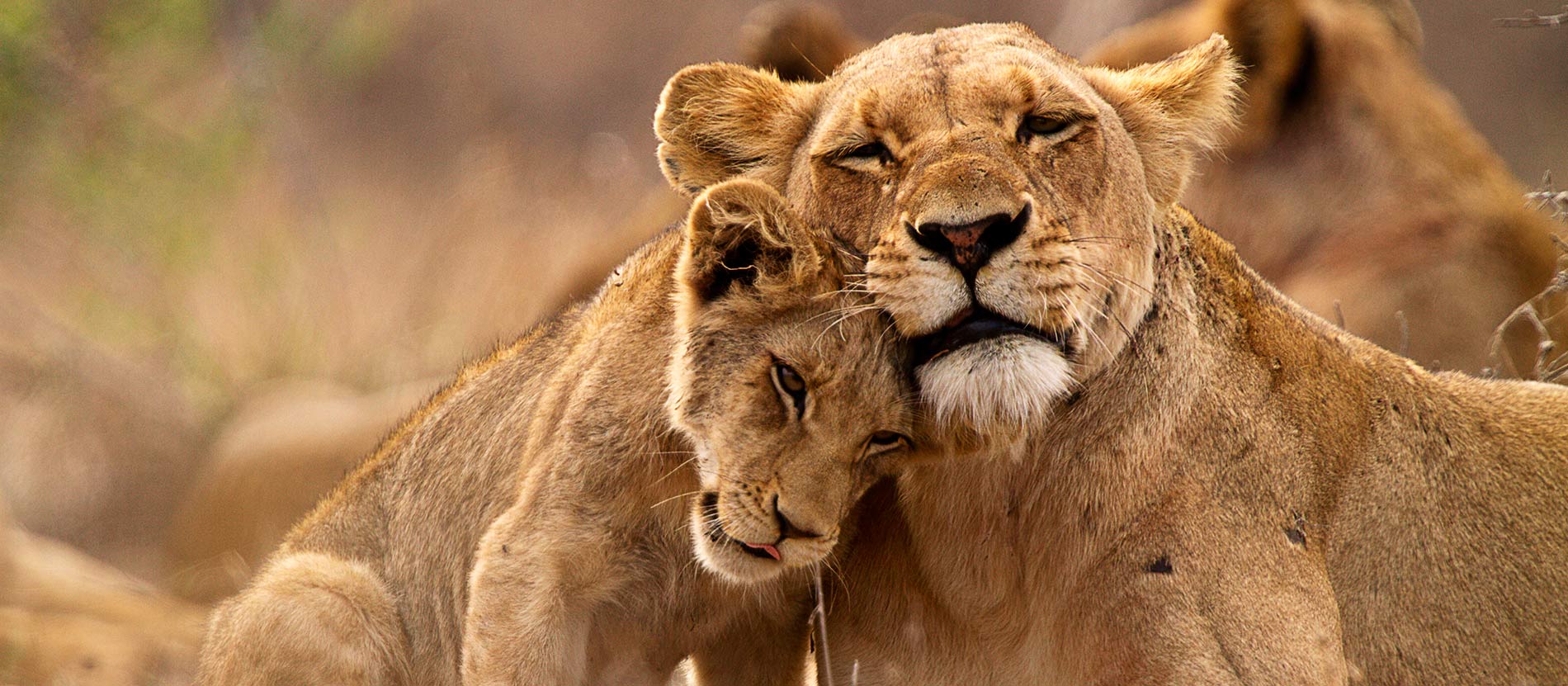

Africa is one of the most captivating destinations for family travel. From the sweeping savannahs of Kenya and Tanzania to the wetlands of Botswana and South Africa’s game-rich reserves, the continent offers an unparalleled combination of adventure, education, and natural beauty. African family safaris are not just about wildlife; they are immersive experiences that engage all ages, creating memories that last a lifetime while teaching children about conservation, culture, and the wonders of the natural world.
Why Choose an African Family Safari
A family safari provides a unique way to explore the continent safely, comfortably, and meaningfully. Unlike traditional vacations, safaris combine adventure with learning opportunities, allowing children and adults to observe animals in their natural habitats, understand ecosystems, and appreciate the importance of conservation. Family safaris also encourage bonding through shared experiences, whether it’s spotting a lion pride, tracking elephants on a game drive, or watching flamingos on a lake at sunset.
African countries offer family-friendly safari options that cater to a range of interests and ages. Kenya and Tanzania are ideal for families seeking classic savannah safaris, while South Africa, Botswana, and Zimbabwe provide a mix of game drives, walking safaris, and cultural encounters. Lodges and camps are increasingly designed with families in mind, offering child-friendly amenities, educational activities, and family suites.
Choosing the Right Destinations
Selecting the right destination is key to a successful family safari. Some of the most popular options include:
- Kenya: The Maasai Mara National Reserve is ideal for families wanting to see the Big Five and witness the seasonal wildebeest migration. Amboseli National Park offers opportunities to view elephants with Mount Kilimanjaro as a backdrop. Lakes such as Lake Naivasha provide boat safaris and gentle walking trails suitable for younger children.
- Tanzania: The Serengeti National Park and Ngorongoro Crater are perfect for observing lions, cheetahs, and zebras in wide-open plains. Tanzania’s national parks offer educational ranger programs and family-focused safari accommodations.
- South Africa: Kruger National Park combines excellent wildlife viewing with convenient access to luxury and budget lodges, some of which have pools and family activities. The park also provides child-friendly guided game drives.
- Botswana and Zimbabwe: For families seeking adventure off the beaten path, the Okavango Delta in Botswana and Hwange National Park in Zimbabwe offer smaller crowds and intimate wildlife encounters, ideal for learning about ecosystems and conservation.
Activities for Families on Safari
African family safaris are designed to engage all ages, offering a mix of educational and recreational activities:
- Guided Game Drives: Professional rangers tailor drives to family interests, ensuring safety while highlighting wildlife behavior and conservation stories.
- Walking Safaris: In some reserves, children can explore under supervision, learning to identify animal tracks, plants, and insects.
- Boat Safaris and Canoeing: Lakes and rivers provide calm excursions, perfect for younger children and birdwatching enthusiasts.
- Cultural Visits: Families can visit Maasai, Samburu, or Himba villages to learn about traditional customs, crafts, and lifestyles.
- Photography and Learning: Kids can practice wildlife photography, sketching, or journaling, enhancing observation skills and creativity.
Many lodges also offer family-friendly educational programs, scavenger hunts, and storytelling sessions that immerse children in the African wilderness safely and engagingly.
Planning Tips for a Successful Family Safari
- Age-Appropriate Itinerary: Ensure game drives and excursions are suitable for the children’s ages and attention spans.
- Accommodation Choices: Select lodges or camps with family suites, pools, and amenities to keep children comfortable.
- Health and Safety: Consult a travel clinic for vaccinations and malaria prevention, and carry basic first aid.
- Packing Essentials: Bring hats, sunscreen, binoculars, cameras, insect repellent, and comfortable clothing.
- Flexible Scheduling: Balance wildlife drives with rest periods to prevent fatigue and keep children engaged.
- Educational Preparation: Introduce kids to African wildlife, geography, and conservation before the trip to enrich the experience.
Benefits of a Family Safari
African family safaris offer more than entertainment—they teach values, spark curiosity, and promote environmental awareness. Children learn about biodiversity, ecosystems, and the importance of protecting wildlife habitats. Shared experiences on safari strengthen family bonds and create lasting memories, from spotting a cheetah on the hunt to watching a sunset over the savannah.
Conclusion
An African family safari combines adventure, education, and cultural immersion in a way few vacations can match. With careful planning, the right destinations, and family-friendly accommodations, these safaris provide unforgettable encounters with wildlife and meaningful learning opportunities for all ages. From Kenya’s Maasai Mara to Tanzania’s Serengeti and beyond, families can experience the thrill of game drives, boat excursions, and cultural interactions while fostering a lifelong appreciation for the natural world. A family safari in Africa is more than a holiday—it is an enriching journey that inspires curiosity, builds memories, and nurtures a connection to the planet’s most extraordinary landscapes.