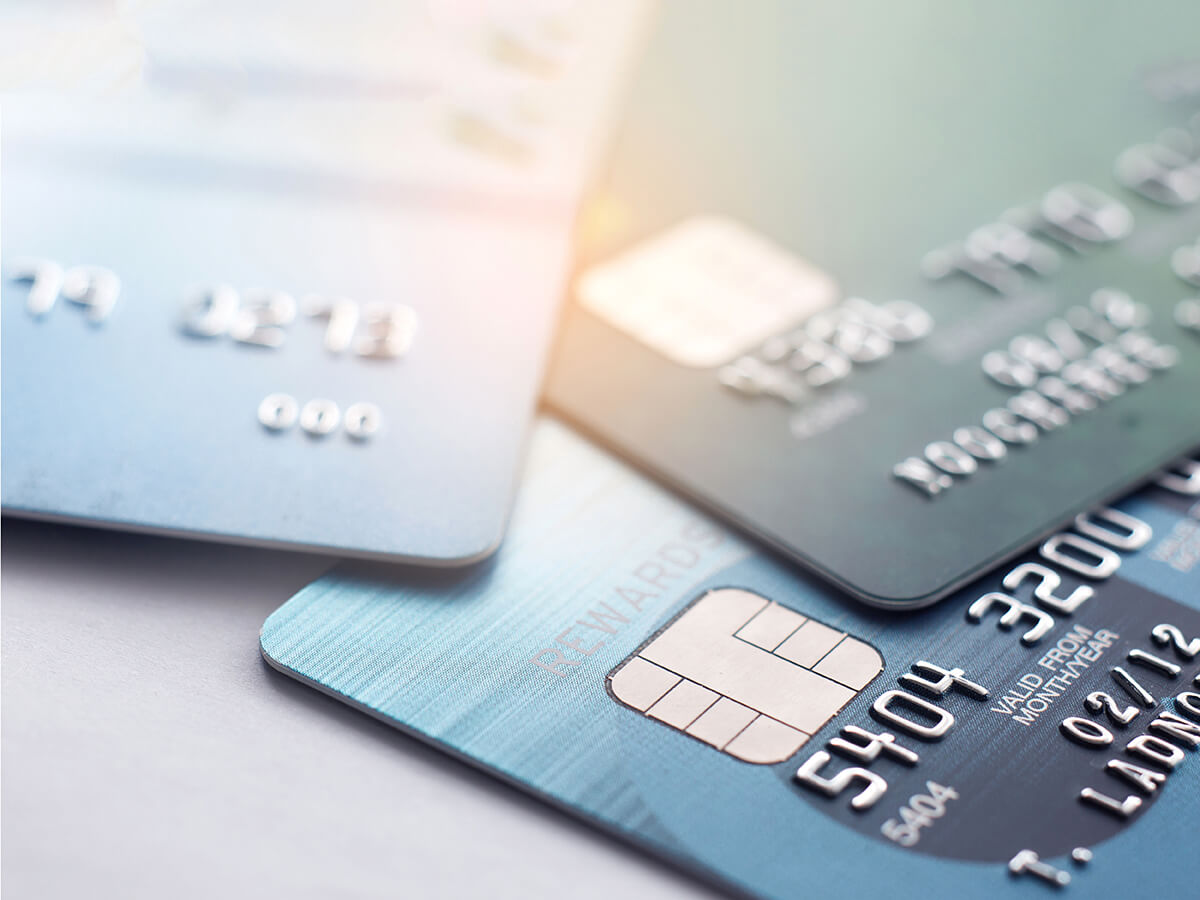

If you are new to credit or do not have strong income documentation, getting a card approved can feel unnecessarily complicated. A credit card against an FD offers a simpler alternative because it is secured against a fixed deposit, which reduces the issuer’s risk and can improve approval chances.
This guide breaks down the key points you should know before you apply for credit card options in this category, including fees, how limits are set, and the typical eligibility requirements.
What is a Credit Card Against FD?
A credit card against an FD is issued after you open a fixed deposit that acts as collateral. The bank places a lien on the FD, so you keep earning FD interest but cannot freely close or withdraw the deposit until the card is closed and dues are settled, as per the terms.
Day to day, it works like a regular credit card: you spend within the limit, get a statement, and repay by the due date. AU Small Finance Bank (AU Bank) has a NOMO card that is one example of how FD-backed cards are offered in India.
Fees: What You May Pay
Even though the card is secured, charges still apply. Most issuers publish a schedule of charges, and you should read it like you would for any other card.
Common fee types include:
- Joining or annual fee (some cards are low-fee or offer waivers based on policy).
- Foreign currency markup on international spends.
- Cash withdrawal charges and related fees.
- Late payment fees will be charged if you miss the due date.
- Interest if you carry forward unpaid balances.
If you want the lowest cost of ownership, plan to pay the full amount due each month and avoid cash withdrawals.
Limits: How Your Credit Line is Set
With a credit card against FD, the credit limit is typically linked to your FD value. Instead of relying mainly on salary, the issuer uses the deposit as the anchor. Usually, that means:
- The limit is set as a portion of the FD, based on issuer policy.
- Adding to the FD can support a higher limit request.
- Specific uses (like cash or international spends) may have separate controls.
A simple way to choose your FD amount is to match it to the spending you genuinely plan to put on the card each month.
Eligibility: What Issuers Usually Require
Eligibility is often simpler than that of unsecured cards, but it is not instant for everyone. Typically, you need:
- Legal adult and resident Indian status, as per issuer rules.
- An eligible FD in your own name (often sole ownership).
- Completion of KYC on official channels.
If you already have an FD, confirm it matches the bank’s accepted FD types before you proceed.
How to Apply for a Credit Card Against an FD the Right Way
When you apply for credit card products backed by an FDIC:
- Create or confirm the eligible FD first.
- Set up alerts or auto-debit so you do not miss due dates.
- Use the card steadily and repay in full to build a clean credit history.
Final Thoughts
A credit card against an FD can be a strong, low-friction way to enter the credit system in India, but the details matter. Focus on the fee schedule, understand how the FD lien affects liquidity, and repay on time. Do that well, and the card can help you build credit discipline without unpleasant surprises.