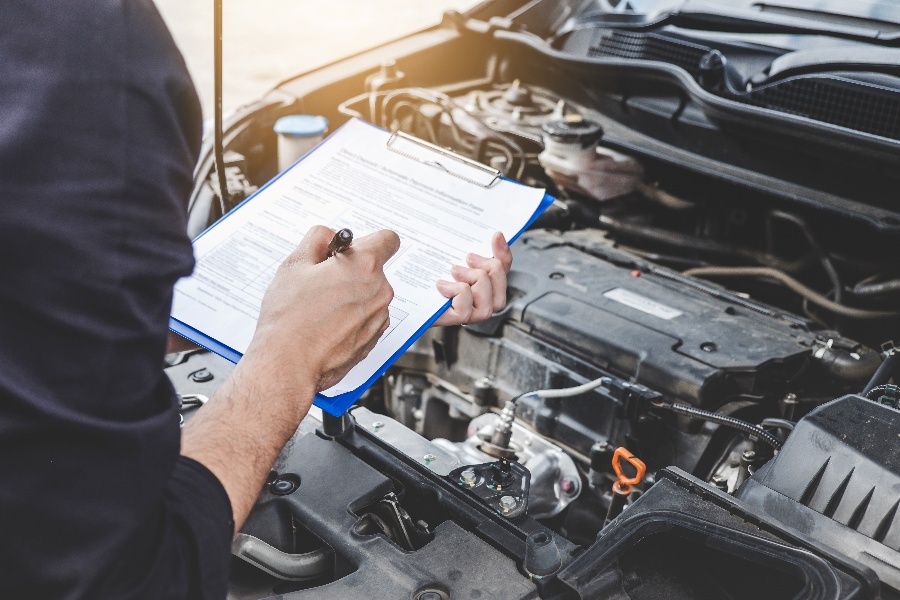

Car AC repair, vehicle inspection, and fleet maintenance must all function together since modern cars need a complete approach to maintenance. When these three areas are in sync, drivers are more comfortable, safer, and spend less on running costs. An air conditioning system that isn’t working right can make it hard for drivers to focus, and inspections that are skipped might mask safety issues. Businesses who don’t take care of their fleets lose money and time. Vehicle owners and fleet managers may make a plan to keep their vehicles running longer, use less fuel, and function reliably every day by knowing how each part works with the others.
Why fixing your car’s air conditioning is more than just comfort
Many people think that fixing the car’s air conditioning is just about keeping the interior cold. It’s also about protecting important parts like the electrical systems, compressors, and condensers. In hot weather, a broken AC can make the engine work harder and use more gas. Regular maintenance keeps refrigerant from leaking, unclogs filters, and makes sure that air flows properly. When the cooling system works well, drivers stay attentive and comfortable, which makes long trips less tiring. Taking care of small AC problems quickly can also save expensive breakdowns. This is an important element of being a responsible vehicle owner and managing a professional fleet.
The Importance of Vehicle Inspections for Safety and Compliance
A regular check of your car is the most important part of being safe on the road and following the law. Before they become significant problems, inspections can find worn brakes, broken suspension, tire difficulties, and lighting problems. Inspections are sometimes required for businesses, and they keep the business safe from fines and lawsuits. Inspections not only make things safer, but they also make them more reliable by finding early symptoms of mechanical failure. When inspections are done in a planned way, cars stay safe to drive and failures are less likely to happen. This proactive strategy keeps drivers, passengers, and other people on the road safe while giving owners and management piece of mind.
Fleet Maintenance as a Way to Make Money
Good Fleet maintenance isn’t a cost; it’s a smart investment. A fleet that is well taken care of costs less to run, gets deliveries to customers faster, and builds the brand’s reputation. Preventive maintenance routines assist keep cars from needing big repairs and make them last longer. Fleet managers can plan repairs better and avoid wasting time by keeping track of service history and performance data. Keeping things in good shape also makes them worth more when you sell them. A planned maintenance program makes sure that every vehicle in the fleet, whether it’s a car, van, or truck, runs at its best. This helps the business develop and keeps customers happy.
How the Three Work Together to Get the Best Results
When you combine car AC repair, vehicle inspection, and fleet maintenance into one service plan, the results are great. Inspections find AC problems early, maintenance schedules make sure repairs are done on time, and good AC servicing makes driving more comfortable. This all-in-one method cuts down on emergency repairs and maintains cars in great shape all year long. For fleets, it implies costs that are easy to estimate and operations that are always reliable. For individual owners, it means improved performance and fewer surprises. Working together makes these services work better, which saves time, money, and worry.
Benefits of Regular Fleet Maintenance and Car AC Repair
Regular maintenance on your car’s air conditioning and fleet can help you in the short and long term. In the near term, drivers feel more comfortable, their cars run more smoothly, and there are fewer warning lights. In the long run, cars last longer, are worth more when they are sold, and are less likely to break down completely. For businesses, regular maintenance keeps schedules on track and builds consumer trust. Cooling systems that work well also help keep engines healthy by keeping them from getting too hot. These procedures make sure that every trip is safer, more comfortable, and less expensive.
Why you should never skip a vehicle inspection
You might save time now by not having your car checked, but it could cost you a lot more tomorrow. Things like fluid leaks, worn belts, or weak connections can easily turn into big repairs. Inspections also help keep your warranty and insurance valid. Inspections make sure that drivers in fleets follow the rules and don’t get fined. A thorough inspection checklist makes sure that everything, from the brakes to the batteries, is working properly. This organized method keeps the car and the people who depend on it every day safe.
Making plans for maintenance that fit your schedule
Smart scheduling of vehicle inspections, car AC repairs, and fleet maintenance cuts down on downtime and makes things run more smoothly. For people, reserving services ahead of time eliminates long waits and having to make emergency repairs. Planned maintenance windows keep cars in fleets available when they are required most. Digital reminders and maintenance software make it easier to keep track of things and make sure you don’t miss any services. When maintenance is easy to plan for, it’s easier to budget, and cars stay reliable. This structured way of doing things also helps service providers get parts and technicians ready ahead of time, which speeds up the process.
Keeping costs down with preventive care
Preventive car AC repair and regular vehicle inspections are two established techniques to keep costs down. It costs a lot less to fix a little refrigerant leak than it does to replace a broken compressor. If you find worn brake pads during an examination, you can save expensive rotor damage. Preventive care also cuts down on fuel use by keeping equipment running smoothly. Businesses don’t have to pay for as many tows or downtime when their cars break down less often. Owners and managers protect business budgets and avoid unanticipated financial strain by spending money on maintenance early.
Fleet Operations: Compliance and Documentation
Fleet maintenance and vehicle inspection are very important for compliance in business. When firms are audited or sued, having good records of inspections and repairs protects them. It also shows that you care about safety and quality. Keeping accurate records helps you find patterns, like problems that keep happening, which helps you make better decisions. When compliance is part of everyday work, risks go down and the company’s reputation goes up. This strict method makes sure that every car meets both company and government criteria.
How technology helps with modern maintenance
Diagnostics, telematics, and predictive analytics have changed how Fleet maintenance and Car AC repair are done. Modern tools can find problems with the AC, the engine, and wear patterns before they cause the car to break down. Telematics systems keep an eye on the health of vehicles in real time, which helps management plan service ahead of time. Digital inspection reports speed up and improve the accuracy of vehicle inspections. These new ideas make maintenance smarter and more reliable than ever by cutting down on guesswork, making things run more smoothly, and helping people make decisions based on facts.
Getting ready for the season to go better
Because the seasons change, cars have to do different things. That’s why it’s extremely vital to get your car’s AC fixed and inspected before summer and winter. In the summer, air conditioning systems have to work more, and in the winter, batteries and heating systems have to work harder. Seasonal checks find problems including low coolant levels, insufficient cooling, or worn tires. Getting ready ahead of time keeps you from breaking down on the side of the road and makes you more comfortable in bad weather. This proactive approach keeps cars ready for anything.
Fleet maintenance: outsourcing vs. doing it yourself
Companies often have to choose between doing their own Fleet maintenance and hiring someone else to do it. Outsourcing gives you access to specialist knowledge, cutting-edge tools, and extra capacity. In-house teams provide you more control and faster response times. The right decision relies on how big your fleet is, how much money you have, and what your business needs. Some businesses use a mix of both, doing simple tasks in-house and hiring outside help for more difficult repairs. No matter what kind of vehicle you have, it needs to meet quality and consistency criteria to be safe and trustworthy.
Peace of mind, safety, and productivity
For a strong safety culture to work, Car AC repair, vehicle inspection, and fleet maintenance all have to work together. Drivers who are comfortable are more focused, inspected cars are safer, and fleets that are well-maintained are more reliable. This mix lowers the number of accidents, boosts productivity, and gives drivers and management more faith in their abilities. When cars work as they should, they keep to their schedules, make customers happy, and lower stress. Safety isn’t just a rule; it’s what happens when you take care of things properly.
Conclusion: Making a Maintenance Plan That Works
Car AC repair, vehicle inspection, and fleet maintenance are always the most important parts of a good vehicle care program. They all work together to make sure comfort, safety, efficiency, and compliance. Investing in these services will protect your automobile and your wallet, whether you own a single car or manage a big commercial fleet. You may have smoother trips, fewer breakdowns, and longer vehicle life by thinking ahead and employing current equipment. Put these tips into practice, and your cars will repay you with dependability and good performance.