
The call of the wild has beckoned adventurers for centuries, but few destinations answer with the power and majesty of Tanzania. Here, in the cradle of human civilization, the natural world continues its timeless performance on stages of unimaginable beauty. A Tanzania safari tour opens doors to experiences that transcend ordinary travel, immersing visitors in ecosystems where every sunrise brings drama, every sunset paints the sky with impossible colors, and every moment carries the potential for encounters that will resonate through lifetimes.
Tanzania’s Unmatched Safari Credentials
Tanzania’s reputation as the world’s premier safari destination is built on a foundation of remarkable conservation achievements, biological abundance, and geographical diversity that no competitor can match. The Tanzanian government has designated over 100,000 square kilometers for wildlife protection through 16 national parks, 29 game reserves, 40 controlled conservation areas, and 1 conservation area—representing the most comprehensive protected area network on the African continent.
This conservation framework supports wildlife populations of staggering proportions. Current estimates suggest Tanzania hosts approximately 75,000 elephants, making it home to one of Africa’s largest surviving populations. The country’s lion population exceeds 16,000 individuals, representing nearly half of all wild lions remaining on the continent. Buffalo herds number in the hundreds of thousands, while giraffe, zebra, and various antelope species populate the landscape in numbers that recall Africa’s historical abundance before colonial-era hunting decimated wildlife populations.
The crown jewel of Tanzania’s wildlife heritage remains the Great Migration—an annual circular movement involving approximately 1.7 million wildebeest, 300,000 zebras, and 400,000 Thomson’s gazelles. This phenomenon represents the last remaining mega-fauna migration on Earth, a living link to the Pleistocene epoch when massive animal herds migrated across continents. No other location offers comparable opportunities to witness such mass wildlife movements and their associated dramas.
Tanzania’s topographical diversity creates ecological variety that enriches safari experiences immeasurably. The Great Rift Valley bisects the country, creating dramatic escarpments, volcanic landscapes, and alkaline lakes. Ancient volcanic activity formed mountain ranges, craters, and highlands supporting unique ecosystems. River systems carve through varied terrain creating riparian zones that concentrate wildlife. Coastal plains transition into interior plateaus covered with different vegetation types. This geographical complexity ensures that Tanzania safari tours traverse multiple distinct environments, each hosting specialized wildlife communities.
Serengeti National Park: Africa’s Beating Heart
The Serengeti represents more than a national park—it embodies the essence of wild Africa in collective consciousness. Spanning 14,763 square kilometers with adjacent protected areas extending the ecosystem to approximately 30,000 square kilometers, the Serengeti provides the stage for nature’s most dramatic wildlife spectacles and supports predator populations unmatched globally.
The Great Migration dominates Serengeti’s narrative, and understanding its cyclical pattern enhances Tanzania safari tour planning substantially. This movement follows seasonal rainfall patterns with remarkable consistency, though exact timing fluctuates based on annual weather variations.
The cycle begins in earnest during December when herds congregate on the southern Serengeti’s short-grass plains. These areas, enriched by volcanic ash from ancient eruptions, produce highly nutritious grasses ideal for pregnant wildebeest. Between late January and early March, the calving season transforms these plains into a massive nursery where hundreds of thousands of calves are born within a concentrated three-week window. This synchronized birthing strategy saturates the environment with vulnerable prey, overwhelming predators through sheer abundance while ensuring many calves survive. Tanzania safari tour participants witness intense predator activity as lions, cheetahs, leopards, hyenas, and jackals feast on easy meals, creating scenes of raw natural power.
As April’s long rains arrive, the herds begin their northward journey toward areas with fresh grazing. The migration typically reaches the western corridor by May and June, where the Grumeti River presents the first major water crossing. Enormous Nile crocodiles, some approaching seven meters in length and weighing over 1,000 kilograms, concentrate at traditional crossing points. These reptilian predators may have waited months since the previous year’s crossing, and their explosive attacks on crossing wildebeest create violent, primal scenes that epitomize nature’s harshness.
From July through October, the migration occupies the northern Serengeti where the Mara River creates the most famous and photographed crossing sites. Unlike the Grumeti, which features multiple smaller crossing points, the Mara includes several major crossing locations where thousands of animals may cross simultaneously. The steep banks, turbulent waters, and dense crocodile populations create treacherous conditions. The psychological buildup before crossings—herds massing on banks, individuals approaching and retreating, tension mounting until critical mass triggers explosive crossings—proves as compelling as the crossings themselves.
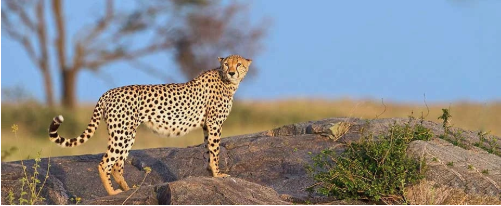
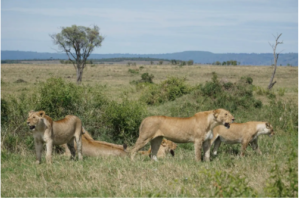
The Serengeti’s resident wildlife populations ensure exceptional game viewing regardless of migration positions. The Seronera region, characterized by kopjes (rocky granite outcrops), riverine woodlands, and open plains, maintains year-round populations including some of Africa’s most habituated and observable lion prides. These prides have adapted to tourist presence, continuing normal behaviors while vehicles observe, providing intimate glimpses into lion social dynamics, hunting strategies, and family interactions. Leopards frequent the riverine trees and kopjes, their spotted coats providing camouflage as they rest on branches or stalk prey through undergrowth. Cheetahs prefer the open plains where their exceptional speed provides hunting advantages, and the Serengeti supports healthy cheetah populations offering regular sighting opportunities.
Ngorongoro Conservation Area: The World’s Natural Stadium
The Ngorongoro Conservation Area encompasses approximately 8,292 square kilometers, but its jewel is the Ngorongoro Crater—a geological marvel functioning as nature’s perfect wildlife arena. This massive volcanic caldera formed when an ancient volcano, possibly matching Kilimanjaro’s height, explosively erupted and collapsed approximately 2-3 million years ago, creating a natural enclosure spanning 19 kilometers across and descending 610 meters from rim to floor.
The crater’s physical characteristics create unique conditions supporting extraordinary wildlife densities. The steep walls limit animal movements in and out, effectively creating a semi-closed system. Permanent water sources—streams, swamps, and a soda lake—provide year-round hydration. Diverse vegetation zones from grasslands to forests offer varied food sources. Favorable microclimates moderated by crater walls create comfortable conditions. These factors combine to support approximately 25,000-30,000 large mammals in permanent residence within the 260-square-kilometer crater floor.
For Tanzania safari tour participants, the Ngorongoro Crater provides unparalleled opportunities to observe diverse species within compact areas. Morning game drives descending into the crater via steep, winding roads reveal landscapes gradually emerging from dawn mist. By mid-morning, the crater floor teems with visible wildlife—zebra herds grazing the eastern plains, wildebeest scattered across grasslands, gazelles bounding through open areas, buffalo congregating in swampy zones, elephants feeding in forest patches, and hippos wallowing in permanent pools.
The crater’s black rhinoceros population represents one of Tanzania’s conservation success stories. These critically endangered animals, decimated by poaching during the 1970s-1980s, have been carefully protected within the crater. The current population of 30-40 individuals represents stability achieved through intensive anti-poaching efforts and habitat management. Black rhinos, distinguished from white rhinos by their hooked upper lips adapted for browsing, smaller sizes, and solitary natures, can often be spotted in the crater’s grasslands, completing the Big Five experience for many visitors.
The crater also provides exceptional predator viewing. Multiple lion prides patrol territories on the crater floor, with some prides reaching 15-20 individuals. These lions, among Africa’s largest, benefit from abundant prey and limited competition. Spotted hyenas form large clans dominating nighttime scavenging and hunting, with the crater supporting some of Africa’s densest hyena populations. Cheetahs and leopards also inhabit the crater, though in lower densities than lions and hyenas.
Tarangire National Park: The Elephant Stronghold
Tarangire National Park extends across 2,850 square kilometers of northern Tanzania, taking its name from the Tarangire River that provides lifeblood to the ecosystem. While less famous than Serengeti or Ngorongoro, Tarangire offers Tanzania safari tour experiences of comparable quality with significantly fewer tourists, particularly during the dry season from June through October.
The park’s defining characteristic is its elephant population, which reaches extraordinary concentrations during dry months. As seasonal waterholes dry across surrounding areas, elephants migrate to Tarangire where the river provides reliable water. Populations swell to 3,000-5,000 individuals, creating some of Africa’s highest elephant densities. These gatherings provide exceptional opportunities to observe elephant social structures, communication systems, and intelligent behaviors that make these animals so compelling.
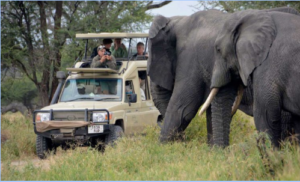
Tarangire’s elephants display fascinating seasonal adaptations. During wet seasons, they disperse across vast ranges, but dry season concentrations around the river create competitive dynamics for limited resources. Family groups maintain cohesion under matriarchal leadership, with older females drawing on decades of experience to guide families to traditional water sources, feeding areas, and safe resting spots. Young males form bachelor groups, testing social hierarchies through sparring and displays. Older bulls, some carrying impressive tusks, move independently or in small coalitions, their size and experience commanding respect from younger males.
The park’s landscape features iconic baobab trees that define East African imagery. These botanical giants, with massively swollen trunks storing water for dry season survival, can live for millennia. Some Tarangire baobabs exceed 2,500 years, having germinated during the late Bronze Age. During droughts, elephants strip bark and dig into baobab wood extracting moisture, demonstrating evolved relationships between flora and fauna. Photographically, baobabs provide perfect compositional elements, their distinctive silhouettes creating recognizable African scenes.
Beyond elephants, Tarangire supports diverse wildlife. Large buffalo herds graze floodplains. Zebras and wildebeest migrate into the park during dry seasons. Various antelope species including oryx, eland, kudu, and impala exploit different ecological niches. Predators including lions, leopards, and cheetahs follow prey concentrations, though densities remain lower than Serengeti. Wild dogs occasionally transit through the park, though sightings remain uncommon.
The park’s ornithological diversity exceeds 550 recorded species, attracting serious birders. Endemic species like yellow-collared lovebirds occur nowhere else, while Tarangire supports healthy populations of ostriches, kori bustards, various eagles and vultures, colorful bee-eaters and rollers, and countless other species creating constant avian spectacles.
Lake Manyara National Park: Compact Diversity
Lake Manyara National Park occupies just 330 square kilometers, with Lake Manyara itself covering approximately two-thirds during wet seasons, yet this compact reserve delivers remarkable ecological diversity justifying inclusion in comprehensive Tanzania safari tour itineraries. The park occupies a narrow strip between the Great Rift Valley’s 600-meter-high western escarpment and the lake shore, creating dramatic topographical contrasts within short distances.
The park achieved fame through its tree-climbing lions, documented in early wildlife films and photographs. While lions occasionally climb trees in various locations, Manyara’s lions exhibit this behavior habitually, with entire prides spending significant time draped over branches of acacia and sausage trees. This unusual behavior, not fully understood, may serve multiple purposes including insect avoidance, thermal regulation, or simply comfortable resting positions. Regardless of motivation, observing lions lounging in trees creates surreal images challenging conventional lion expectations.
The groundwater forest at the park’s northern entrance creates lush, shaded environments supporting distinct wildlife communities. Ancient trees fed by underground water sources create dense canopy habitats where olive baboon troops numbering hundreds forage and socialize. Blue monkeys swing through branches, their distinctive coloring and vocalizations making them easy to identify. Shy bushbucks emerge from undergrowth during quiet hours. Elephants favor the forest’s dense vegetation, particularly during hot midday periods.
Lake Manyara itself functions as the ecosystem’s focal point, supporting enormous waterbird populations. The alkaline lake attracts massive flamingo flocks—sometimes exceeding 500,000 individuals—that filter-feed on microscopic algae and crustaceans. Their synchronized movements create pink clouds shifting across the waters. White pelicans float in organized flocks, occasionally coordinating fishing efforts. Various herons, storks, egrets, and cormorants populate the shoreline. The lake supports over 400 recorded bird species, making Lake Manyara one of Tanzania’s premier birding destinations despite its small size.
Selecting Your Tanzania Safari Tour Style
Tanzania safari tours accommodate diverse preferences through various formats offering different experiences, comfort levels, and investment requirements.
Luxury safari experiences provide ultimate comfort through upscale lodges or exclusive tented camps featuring spacious accommodations, premium furnishings, gourmet restaurants, extensive wine cellars, spa facilities, infinity pools, and exceptional staff attention. These properties occupy prime positions—crater rim locations, riverside settings, hilltop vantage points—providing spectacular views alongside wildlife access. Luxury accommodations create balanced experiences where adventurous days transition into refined evenings with comfortable facilities and excellent cuisine.
Mid-tier safari camps offer comfortable experiences balancing authenticity with amenities. These permanent tented camps feature substantial walk-in tents on elevated platforms with en-suite bathrooms, comfortable bedding, reliable electricity, and often private verandas. Canvas construction allows bush ambiance—animal sounds, natural breezes, authentic atmosphere—while providing security and comfort. Many experienced travelers consider this category optimal, delivering genuine safari experiences without excessive luxury emphasis.
Budget safari options make Tanzania safari tours accessible to cost-conscious travelers through camping experiences with basic facilities. While accommodations are simple—standard tents, sleeping bags, basic meals—these safaris provide identical park access and wildlife viewing as luxury alternatives. Budget safaris prove that exceptional wildlife encounters don’t require expensive accommodations, democratizing access to transformative African experiences.
Strategic Timing Considerations
Tanzania safari tours remain viable year-round, though different periods offer distinct advantages aligning with various priorities.
Peak season (June-October) delivers optimal wildlife viewing as diminishing water concentrates animals around permanent sources. Reduced vegetation improves visibility. Predominantly dry weather ensures comfortable conditions. This period encompasses spectacular Mara River crossings. However, peak season brings maximum tourists, highest prices, and advance booking requirements.
Shoulder season (November-December, January-February) provides excellent wildlife viewing with fewer tourists and reduced prices. November-December’s short rains transform landscapes while maintaining good game viewing. January-February’s calving season in southern Serengeti creates intense predator activity.
Green season (March-May) offers lowest prices, minimal tourists, and dramatically transformed landscapes. However, afternoon rains occur regularly, some roads become challenging, and certain camps close temporarily. This period rewards flexible travelers with intimate experiences and exceptional photography conditions.
Conclusion
A Tanzania safari tour represents investment in experiences that transcend monetary value, creating memories and perspectives that enrich lives permanently. These journeys reconnect us with natural rhythms, reveal ecosystems functioning with minimal human interference, and demonstrate that wild places and wild things still exist despite mounting global pressures.
Tanzania’s success in protecting vast wilderness areas while developing sustainable tourism demonstrates that conservation and economic development can align when properly managed. Tourism revenue funds critical conservation work, supports community development reducing human-wildlife conflict, and provides economic incentives ensuring wildlife protection remains a national priority.
The accessibility of Tanzania safari tours across all budget ranges ensures these transformative experiences remain available to diverse travelers. Whether choosing luxury accommodations or budget camping, the core wildlife encounters—observing predator hunts, witnessing migration spectacles, connecting with elephants’ intelligence—provide equally powerful experiences.
Your Tanzania safari tour will end, but its impacts will continue resonating through your life, shaping how you perceive nature, conservation, and humanity’s environmental responsibilities.
Key Takeaways
- Tanzania protects over 100,000 square kilometers through comprehensive conservation networks, supporting approximately 4 million wild animals
- The Great Migration involves 1.7 million animals following predictable seasonal patterns with different dramatic events throughout the year
- Ngorongoro Crater concentrates 25,000-30,000 animals within a volcanic caldera, providing Earth’s highest wildlife viewing densities
- Tarangire hosts 3,000-5,000 elephants during dry season, offering unmatched opportunities for intimate elephant observations
- Lake Manyara’s tree-climbing lions exhibit unique behaviors within a compact park supporting over 400 bird species
- Safari formats span luxury lodges to budget camping, ensuring accessibility across all economic levels without compromising wildlife viewing quality
- Seasonal timing significantly impacts experiences, costs, and tourist densities—each period offers unique advantages for different priorities
- Advance planning including visas, health preparations, comprehensive insurance, and appropriate equipment ensures successful safaris
- Responsible tourism directly funds conservation programs while supporting communities coexisting with wildlife
- Tanzania safari tours create transformative experiences fostering environmental awareness and conservation commitment extending beyond the trips
Frequently Asked Questions
What are the main differences between Tanzania and Kenya for safari experiences?
Tanzania and Kenya both offer exceptional safaris, but significant differences distinguish them. Tanzania dedicates more territory to conservation (38% versus Kenya’s 12%), creating larger, less crowded protected areas. The Great Migration spends approximately 9 months in Tanzania versus 3 months in Kenya’s Masai Mara, providing longer viewing windows. Tanzania’s Ngorongoro Crater has no Kenyan equivalent—a unique geological feature with unmatched wildlife densities. Tanzania generally experiences lower tourist densities, creating more intimate wildlife encounters with fewer vehicle crowds at sightings. Kenya offers certain advantages including better infrastructure, more affordable options, and the Masai Mara’s concentrated predator populations during migration months. Overall, Tanzania provides more wilderness character, lower crowds, and unique destinations like Ngorongoro, while Kenya offers easier logistics and lower costs. Many travelers ultimately visit both countries to experience their respective strengths.
How physically fit do I need to be for a Tanzania safari tour?
Standard Tanzania safari tours require minimal physical fitness since most activities involve vehicle-based game drives where participants remain seated observing wildlife. Walking is typically limited to short distances between vehicles and accommodations. Most travelers regardless of age or fitness level successfully enjoy safaris. However, specific considerations apply depending on activities and accommodations. Luxury lodges require virtually no physical exertion with minimal walking and full accessibility. Budget camping involves more physical demands including entering/exiting vehicles without steps, using basic toilet facilities, and sleeping on ground-level cots. Optional walking safaris require reasonable fitness for 2-4 hour walks through varying terrain. Crater rim hikes or Kilimanjaro climbing demand substantial fitness but represent specialized activities beyond standard safaris. Travelers with mobility limitations should discuss specific needs with operators who can recommend appropriate accommodations and vehicles with accessibility features. Overall, standard safaris suit virtually all fitness levels, making these experiences accessible to diverse travelers.
What is the likelihood of witnessing animal kills or hunts during my Tanzania safari tour?
Predator hunts and kills represent nature’s reality, and Tanzania safari tours frequently provide opportunities to witness predation, though sightings can never be guaranteed. Several factors influence likelihood. Duration matters significantly—longer safaris increase statistical odds of witnessing hunts. A 7-10 day safari provides reasonably good chances, while 3-4 day safaris reduce probability. Timing affects opportunities as well. Calving season (January-March) sees intense predator activity around vulnerable newborns. Morning and evening game drives coincide with peak predator activity when they’re most likely hunting. Location also matters. The Serengeti’s high predator densities and open terrain improve visibility of hunting attempts. The Ngorongoro Crater’s wildlife concentrations create frequent predator-prey interactions. Experienced guides understand predator behaviors, interpreting signs like stalking postures, alerted prey, and circling vultures that suggest imminent action. While spectacular kills make memorable Tanzania safari tour highlights, the majority of hunts fail—predators succeed perhaps 20-30% of attempts. Even without witnessing kills, observing stalking behaviors, failed hunts, and predator-prey dynamics provides fascinating insights into ecosystem functioning.
Can children participate in Tanzania safari tours, and what age is appropriate?
Tanzania safari tours welcome children, though age appropriateness depends on several factors. Many families successfully safari with children as young as 3-4 years old, though considerations apply. Attention span matters—younger children may struggle with extended game drives requiring quiet observation. Private vehicles provide flexibility for breaks, shorter drives, and accommodating children’s needs without impacting other guests. Age restrictions vary by accommodation. Most lodges welcome children of all ages, offering family rooms and child-friendly amenities. Some exclusive properties maintain minimum ages (typically 8-12 years) preserving tranquil atmospheres for adult guests. Certain activities have age restrictions—walking safaris typically require minimum ages around 12-16 years, hot air balloon safaris often require 8+ years. Safety considerations exist. Children must follow strict rules about remaining in vehicles near wildlife, staying with adults, and respecting camp boundaries. However, safaris provide extraordinary educational opportunities. Children witness ecosystem functioning, observe animal behaviors, and develop conservation awareness that shapes environmental values. Many families report safaris as transformative family experiences creating shared memories and teaching children about nature’s complexity. Consult operators about age-appropriate itineraries, accommodations, and activities when planning family Tanzania safari tours.
What vaccinations and health precautions are absolutely necessary for Tanzania safari tours?
Health preparations for Tanzania safari tours involve several critical considerations. Yellow fever vaccination is mandatory for travelers arriving from endemic countries and strongly recommended for all visitors since Tanzania itself is endemic. Most safari operators and accommodations won’t accept unvaccinated guests without valid exemption certificates. Malaria prophylaxis is highly recommended since most safari regions are malarial zones. Options include doxycycline (daily), atovaquone-proguanil/Malarone (daily), or mefloquine (weekly), each with different side effect profiles. Consult travel medicine specialists about optimal choices for your health profile. Routine vaccinations should be current including hepatitis A (food/waterborne), hepatitis B (bloodborne), typhoid (food/waterborne), tetanus-diphtheria, and MMR (measles-mumps-rubella). Additional recommended vaccinations include rabies for those engaging in extensive outdoor activities or working with animals, though standard tourists rarely need this. Altitude considerations apply for high-elevation areas like Ngorongoro Crater rim, though serious altitude sickness is rare below 3,000 meters. Additional precautions include using DEET-based insect repellents, wearing long sleeves/pants during dawn/dusk when mosquitoes are active, sleeping under mosquito nets, drinking only bottled/treated water, avoiding raw vegetables except at quality establishments, and bringing basic medications for traveler’s diarrhea. Comprehensive travel insurance including medical evacuation coverage is essential since serious medical emergencies may require evacuation to advanced facilities in Nairobi or beyond. Schedule travel medicine consultations 6-8 weeks before departure allowing time for multi-dose vaccination schedules.
How do I choose a reputable Tanzania safari tour operator, and what red flags should I watch for?
Selecting reputable Tanzania safari tour operators requires careful research and evaluation. Start by verifying licensing with the Tanzania Tourist Board—legitimate operators display registration numbers and certificates. Check recent reviews on multiple platforms (TripAdvisor, SafariBookings, Google) looking for patterns rather than individual reviews. Be wary of operators with predominantly 5-star reviews posted in short timeframes (potentially fake) or numerous 1-star reviews indicating consistent problems. Evaluate communication quality during inquiry processes—professional operators respond promptly, answer questions thoroughly, and demonstrate patience. Request detailed itineraries specifying exact accommodations rather than vague descriptions like “mid-range camps.” Research specific lodges/camps mentioned to verify they match claimed quality levels. Review what’s included versus excluded in quoted prices—reputable operators clearly itemize everything avoiding hidden costs. Examine vehicle conditions through photos—quality operators maintain well-kept 4×4 vehicles with pop-up roofs and adequate space. Ask about guide qualifications—professional guides should have Tanzania Tourist Board certification and extensive experience. Red flags include: prices significantly below market rates (corners are being cut somewhere), vague accommodation descriptions, poor communication, pressure tactics demanding immediate payment, lack of verifiable registration, exclusively positive reviews, unwillingness to provide references, and resistance to answering detailed questions. Consider operators belonging to professional associations like TATO (Tanzania Association of Tour Operators) which maintain quality standards. While price matters, extremely cheap options often compromise guide quality, vehicles, accommodations, or service levels that diminish Tanzania safari tour experiences significantly.
What should I pack for a Tanzania safari tour to ensure comfort without overpacking?
Strategic packing for Tanzania safari tours balances preparedness with avoiding excess baggage, particularly important if using light aircraft with strict weight limits (typically 15kg including hand luggage). Clothing essentials include neutral colors (khaki, beige, olive, brown) helping blend with environments while avoiding bright colors that may disturb wildlife or attract insects. Pack lightweight, breathable fabrics suitable for warm climates. Include long-sleeved shirts and pants providing sun/insect protection. Bring warm layers (fleece, light jacket) for cool early mornings and evenings. Include a wide-brimmed hat, sunglasses, and bandana/buff for dust protection. Footwear should include comfortable closed-toe shoes for game drives and sandals for lodge relaxation. Technical items include quality binoculars (7×35 or 10×42 ideal), camera equipment with adequate memory cards and batteries, universal power adapter (UK-style three-pin plugs used in Tanzania), headlamp/flashlight for nighttime movements, and power banks for charging devices. Health items include prescription medications with extras, malaria prophylaxis, insect repellent (DEET-based), high-SPF sunscreen, after-sun lotion, basic first aid supplies, hand sanitizer, and any personal medical items. Documents include passport (valid 6+ months), visa, yellow fever certificate, travel insurance documents, and printed itinerary/contact information. Avoid overpacking—most lodges provide laundry services, you wear limited clothing during game drives, and excess luggage creates hassles. Use soft-sided bags rather than hard cases as they’re more suitable for safari vehicles and aircraft. Remember that luxury accommodations provide toiletries, reducing what you need to pack.